
Many people feel worried when they see thinning hair or scalp problems. Learning what a hair specialist is called can help you know who to visit and what they do. These experts use tests, exams, and treatment plans to manage hair and scalp issues.
Key Takeaways
- A hair specialist is usually a trichologist or a dermatologist who evaluates the scalp and hair follicles to diagnose and manage thinning, shedding, and inflammation with trained medical professionalism.
- Dermatologists can order tests, prescribe medication, and perform procedures, while trichologists focus on scalp care, product guidance, and non-medical support.
- Early evaluation helps identify conditions such as alopecia areata, androgenetic alopecia, and telogen effluvium, allowing more effective treatment plans.
- Customized hair care routines and long-term follow-ups support healthier growth and improve results for both men and women experiencing hair loss.
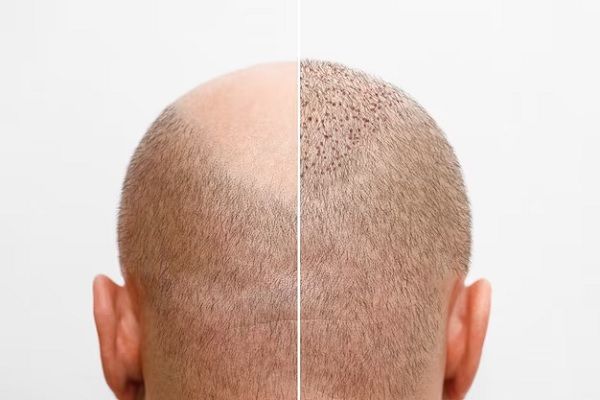
Understanding What a Hair Specialist Does
A hair specialist checks the scalp and hair follicles. They look at growth cycles, density, and common symptoms. They help both men and women with changes in thickness, texture, and breakage.
These specialists often work in hair clinics or dermatology offices. They can guide you through products, lifestyle habits, and treatments. They offer support when hair loss affects confidence.
What Is a Hair Loss Specialist Called?
Many patients want to know what a hair loss specialist is called. In most cases, this type of specialist is called a trichologist. They study scalp problems, growth stages, and product damage.
For medical cases, a dermatologist can help. Dermatologists may use drugs, scans, or advanced tools to support recovery. Working with more than one expert can lead to better results.
What Is a Hair Specialist Doctor Called?
Some patients ask what a hair specialist doctor is called. This doctor is usually a dermatologist with training in skin and human hair conditions. They can test, diagnose, and treat medical problems.
A medical doctor follows strict rules to protect patient health. They handle inflammation, infection, scarring, and side effects from medicine. They work to prevent deeper scalp damage over time.
What Is a Trichologist?
People also ask what a trichologist is because this name is common online. A trichologist studies hair and scalp function. They examine patterns, lifestyle, stress, and product use.
They help with mild to moderate symptoms. They can guide patients on diet, stress control, and gentle products. Trichologists often support patients through emotional worry around hair loss.
Trichology Definition
The trichology definition describes the science of the scalp and hair. It covers growth cycles, damage, and thinning. Trichology studies how products, stress, heat, and chemicals affect strands.
This science helps explain sudden changes. For example, stress can push strands into the resting phase. Learning this reduces fear and encourages healthy habits.
Professional Training and Certification
Many trichologists study through programs at the Institute of Trichologists. These programs teach anatomy, chemistry, and hands-on care. Students learn how to examine the scalp and talk with patients.
This training builds trust. Patients can feel safe when taking advice. Education also prevents harmful mistakes and false claims.
Common Conditions Hair Specialists Diagnose
Hair specialists treat a wide range of concerns. Each condition has different causes and symptoms. Early checks can prevent long-term damage.
Common conditions include:
- Telogen effluvium, linked to stress or illness.
- Alopecia areata, an immune system issue.
- Androgenetic alopecia, or pattern hair loss.
- Scalp psoriasis or dermatitis.
These issues can cause shedding, thinning, or itchy skin.
Diagnosis and Treatment Process
A hair specialist starts by reviewing your medical history. They ask about illness, diet, stress, and product use. This helps them find the root cause.
They examine the scalp with tools that show follicle size and pattern. Once they learn the cause, they guide you through treatment options. This plan can change over time as results show.
Blood Tests and Lab Work
Some problems need deeper checks. A doctor may order a blood test to check hormones, vitamins, and iron levels. Low levels often affect growth.
These tests are important for hidden issues. For example, thyroid changes can slow growth. Fixing these problems can improve hair over time.
Treatment Options and Clinical Support
In stronger cases, hair restoration procedures can help. Many patients choose to undergo a hair transplant in NYC, where advanced clinics and experienced surgeons offer personalized solutions for natural-looking results.
Common methods include:
- Topical products like minoxidil.
- Scalp treatments done in clinics.
- Platelet-rich plasma injections.
- Diet and supplement support.
These options depend on age, health, and symptoms.
Treatment Plans and Long-Term Care
Hair loss often needs ongoing care. A custom treatment plan gives steps to follow at home. It may include products, routine changes, and follow-ups.
Regular visits track progress. If symptoms change, the specialist adjusts care. This helps keep growth steady and prevents further loss.
Hair Shedding vs. Hair Loss
It is normal to lose strands each day. But hair shedding becomes a concern when density drops. More scalp showing may signal a deeper issue.
A specialist can test the difference between normal and severe patterns. Early checks make treatment easier. Quick action protects healthy follicles.
When to Visit a Hair Specialist
Visit a specialist if you see sudden patches, redness, pain, or fast thinning. These signs should not be ignored. Waiting can make damage worse.
If you see scars, flakes, or burning, see a dermatologist soon. Fast care protects long-term growth cycles. Small changes can be easier to treat early.
Hair Loss Treatment Expectations
Most hair loss treatment plans take months to show change. Hair grows slowly, so patience helps. A specialist explains what to expect.
They watch for side effects. If needed, they adjust the plan. Many patients see stronger growth when they follow instructions.
Final Thoughts on Hair Specialists
Learning what is a hair specialist helps patients choose the right expert for their scalp needs. With proper exams, diagnosis and treatment, and smart habits, patients can treat hair loss and protect growth.
Early care, routine changes, and guidance from trained professionals support long-term results and healthy hair.