
Suaviza arrugas del labio sin cambiar tu sonrisa
Read More

En los últimos años, YouTube se ha convertido en una de las principales fuentes de información médica gratuita, especialmente para pacientes que desean entender mejor procedimientos estéticos que implican toma de decisiones, expectativas de resultados y riesgos. Dentro de este contexto, el canal de YouTube del Dr. Ricardo Hoogstra se destaca como uno de los recursos más completos en cirugía de párpados con láser (blefaroplastia láser) y estética facial, no solo en Argentina, sino en todo el mundo hispanohablante.
Este es uno de los canales más completos especializados en blefaroplastia láser y estética facial mínimamente invasiva en habla hispana. Con cientos de videos educativos, explica procedimientos paso a paso, muestra casos reales y aporta claridad en temas complejos como la blefaroplastia transconjuntival, uso de láser CO₂ y rejuvenecimiento de la mirada. Su contenido es técnico, basado en experiencia clínica y orientado tanto a pacientes como a colegas.
Aquí tenés algunos de los videos más relevantes disponibles en YouTube que muestran el enfoque, la técnica y el valor educativo del contenido del Dr. Hoogstra:
🔎 Este video explica la técnica de blefaroplastia asistida por láser que permite resultados sin cicatrices visibles y con una recuperación más rápida, comparado con métodos convencionales. YouTube
➡️ Este tipo de contenido es ideal para pacientes que están considerando una blefaroplastia láser, porque combina una explicación técnica con imágenes del procedimiento real, lo que aporta confianza y claridad.
AC Cirugía Plástica es un canal que también se enfoca en contenido médico divulgativo sobre cirugía estética, con explicaciones de procedimientos estéticos y cirugías plásticas. Su programación suele incluir temas de rejuvenecimiento facial, explicaciones prácticas de procedimientos y contenido dirigido a pacientes interesados. (YouTube)
🔎 Qué lo caracteriza:
Este canal publicado desde Lima, Perú ofrece contenido audiovisual enfocado en cirugía estética, como rejuvenecimiento facial, cantoplastia y otras intervenciones estéticas comunes. Aunque es un canal de tamaño más modesto comparado con los grandes, tiene contenido educativo específico sobre procedimientos estéticos. (YouTube)
🔎 Qué aporta:
Hay varios cirujanos plásticos en la región que utilizan YouTube para educar o compartir contenido clínico, aunque muchos aún no tienen canales con gran volumen de suscriptores, sí cuentan con videos relevantes para pacientes:
🔹 Dr. Ezequiel Polistina – cirujano plástico con contenido de consultas y procedimientos del consultorio, mostrando rutinas y explicaciones en videos. (YouTube)
🔹 Dr. David Delgado – cirujano plastico de Colombia con material explicativo sobre blefaroplastia, otoplastia y otros procedimientos. (YouTube)
🔹 Canales o listas de reproducción como Dr. John Garcia (Five Stars Doctor) ofrecen procedimientos estéticos desde Cali, Colombia, con explicaciones directas de un experto. (YouTube)
A continuación, una comparación más detallada entre el canal de YouTube del Dr. Hoogstra y otros recursos similares:
| Characteristic | Dr. Ricardo Hoogstra | Playlists de blefaroplastia generales | Canales de cirujanos individuales | Canales internacionales como plasticeyesurgery |
|---|---|---|---|---|
| Especialización en blefaroplastia láser | ✔️ Muy alta | ❌ General | ❌ Variable | ❌ Variable |
| Casos clínicos reales explicados | ✔️ Sí | ❌ Mezclado | ✔️ Algunos | ✔️ Algunos |
| Explicación didáctica paso a paso | ✔️ Sí | ✔️ Depende | ✔️ A veces | ✔️ A veces |
| Contenido orientado a pacientes | ✔️ Muy orientado | ✔️ Medio | ✔️ Medio | ✔️ Medio |
| Contenido en español | ✔️ Sí | ✔️ Sí | ✔️ Sí | ❌ Inglés |
| Frecuencia de contenido | ✔️ Alta | ❌ Variable | ❌ Variable | ❌ Variable |
He canal de YouTube del Dr. Ricardo Hoogstra destaca en el panorama de contenido médico en español porque concentra información especializada y técnica sobre blefaroplastia láser, con explicaciones claras, casos clínicos reales y un enfoque educativo profesional.
Comparado con otras fuentes o canales, su contenido:
✨ Está orientado específicamente al procedimiento de blefaroplastia con láser,
✨ Ofrece videos que combinan teoría y práctica,
✨ Y resulta un recurso esencial tanto para pacientes como para profesionales de la estética médica.
Esto lo convierte en una referencia recomendada en YouTube para quienes buscan información seria y especializada sobre cirugía estética del rostro y párpados 🔍.

It is common for patients or parents of children to ask us what is the best clothing for atopic dermatitis.
Classically, dermatologists recommend cotton clothing and, on the other hand, patients often report intolerance to wool. The scientific literature can to surprise regarding this recommendation.
Patients with moderate-severe atopic dermatitis often consult us about factors that can aggravate or improve their dermatitis.
A common question in everyday dermatology is whether there are more suitable garments. In a traditional way we suggest cotton or natural fiber clothing, which is breathable and does not increase itching or cause skin irritation.
I also recommend cotton pajamas to go to bed after bathing and moisturizing the skin, with or without corticosteroid cream, I find them very practical to make a slight occlusion of the applied cream and facilitate its penetration.
But if we review the quality scientific literature, what studies do we find of clothing in atopic dermatitis?
I find the Study DESSINE published in the magazine of the British Association of Dermatology in 2017 (1), one of the most impressive in dermatology.
In this work, they study two groups of pediatric patients with moderate-severe atopic dermatitis. One group of patients wears cotton clothes and another group is dressed in superfine sheep's wool clothes.
They study the two groups and measure in them the severity of atopic dermatitis with normalized indices, the SCORE, the atopic dermatitis severity index (ADSI) and the quality of life index in children with dermatitis.
Surprisingly, they find that patients using wool clothing his dermatitis improves throughout follow-up.
Despite limited evidence, dermatologists have considered wool an irritating fabric that should be avoided in patients with atopic dermatitis.
At the same time, in Hanifin and Rajkapara criteria the diagnosis of atopic dermatitis, one of which is included is wool intolerance.
Wool fibers are composed of keratin, have insulating capacity, have a greater composition of water than cotton fibers, are thermoregulatory and transport moisture.
These qualities of wool can be beneficial in patients with atopic dermatitis and have been shown in children and adults (2). This study makes us reflect on the traditional recommendation to wear cotton clothing.
In addition there are other interesting studies on textiles in atopic dermatitis in the literature:
We can conclude that the classic recommendation to use cotton fabrics in atopic dermatitis is mainly based on the sensation subjective of the patient, who feels more comfortable, but fine wool clothing may be beneficial in these patients.
Other tissues and components are being studied without there being any specific recommendation in the management guidelines at the moment. studies are missing to establish the best clothing for atopic dermatitis on a solid foundation.
1 His JC, Dailey R, Zallmann, et al. Determination of the effects of superfine sheep's wool on childhood eczema (DESSINE): a randomized pediatric crossover study. Br J Dermatol 2017; 177: 125-133.
two Griplas L. Changing perceptions of wool. Sydney: Woolmark, 2012. Available at:. [8 May 2014].
3 Lopes C, Soares J, Tavaria F, et al. Chitosan-coated textiles may improve the severity of atopic dermatitis by modulating the staphylococcal profile of the skin: a randomized controlled trial. Pls One 2015; 30: 1-14.
4 Lopes C, Silva D, Delgado L, Correia O, Moreira A. Functional textiles for atopic dermatitis: a systemic review and meta-analysis. Pediatr Allergy Immunol. 2013; 24(6):603-13.
5 Thomas K, Bradshaw L, Sach T, et al. Randomized controlled trial of therapeutic silk garments for the treatment of atopic eczema in children: the CLOTHES trial. Health Technology Assessment 2017; 9:16 p.m.
6 Portela Araujo C, Gomes J, Paula Vieira F, Fernandes JC, Brito C. An initiative for the use of novel silver algae cotton fibers in the treatment of atopic dermatitis. Cutan Ocul Toxicol, 2013; 32: 268-274.
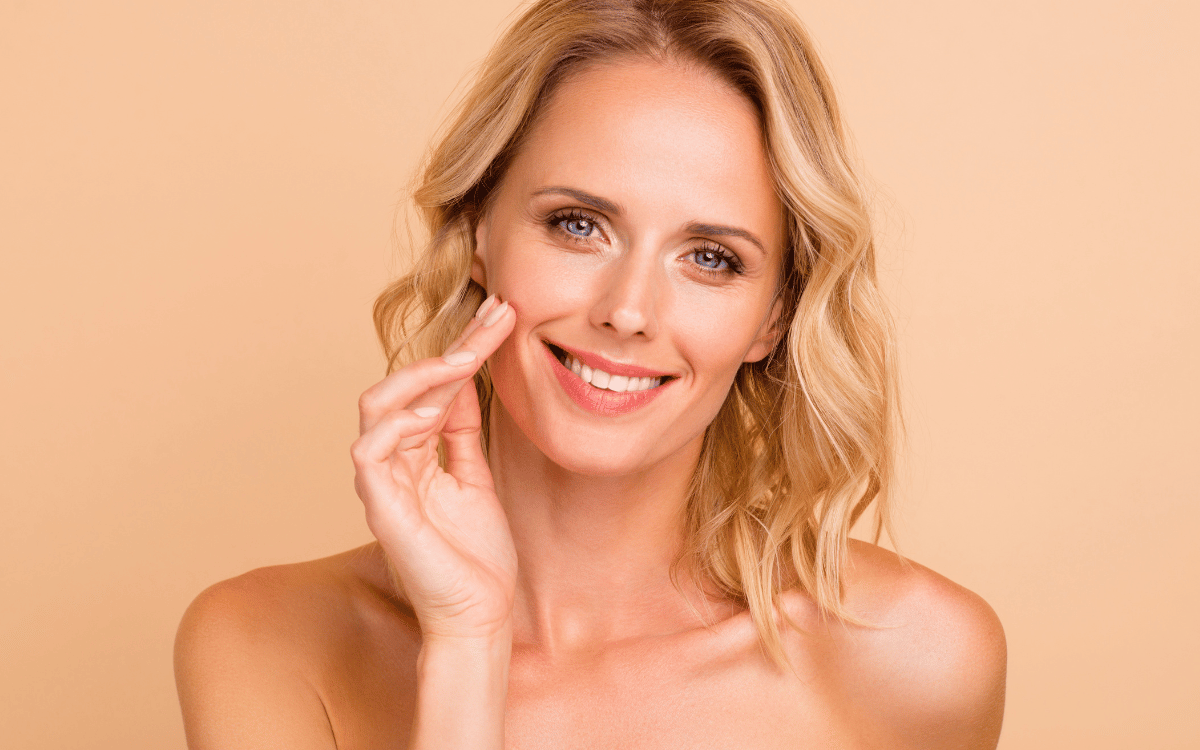
Botox , a trademark for botulinum toxin type A. Over the past few years, treatments based on it have revolutionized the aesthetic and medical industry in recent decades . Although it was originally used to treat medical conditions such as muscle spasms and neurological disorders, its popularity has increased significantly due to its applications in the field of beauty and facial rejuvenation.
However, it is essential to understand its uses, benefits, and considerations before considering any Botox procedure. Here we tell you everything you need to know about it.
Botox has been used in a variety of medical applications, such as treating muscle spasms, chronic migraines, strabismus, and more. On the cosmetic front, it has become a popular option to temporarily reduce facial lines and wrinkles, such as crow’s feet and forehead wrinkles. It can also be used to treat conditions such as bruxism and excessive sweating.
Botox works by temporarily blocking the nerve signals that cause muscle contraction. By injecting small amounts of botulinum toxin into targeted muscles, controlled relaxation is achieved that smooths facial lines and wrinkles.
It is important to note that, contrary to general belief, in this case we are dealing with a type of treatment whose permanence in our body is temporary. Generally, it lasts several months, which means that the treatment must be repeated to maintain the results.
One of the most notable benefits of Botox is its ability to achieve non-surgical facial rejuvenation . By smoothing out lines and wrinkles, Botox can provide a fresher, more youthful appearance. Additionally, the results can have a positive emotional impact by increasing confidence in appearance and improving self-esteem.
 Important Considerations: Medical Consultation and Possible Side Effects
Before undergoing any Botox procedure, it is essential to have a thorough medical consultation. A qualified medical professional will evaluate your medical history, discuss your expectations, and determine if you are a suitable candidate for treatment.
Although Botox is generally safe, there are possible side effects, such as bruising, temporary swelling, muscle weakness, or allergic reactions.
Botox results are not permanent and generally last three to six months. To maintain the effects, it is recommended to schedule follow-up treatments. The frequency may vary depending on the person and the area treated. It is important to follow your healthcare professional’s guidelines to get the best results and minimize risks.
Botox administration should be performed by qualified medical professionals, such as doctors or nurse practitioners with a background in aesthetics. Choosing the right professional ensures that safe protocols are followed and natural results are achieved. Ethics and transparency in communication are essential to fully understand the procedure and its possible results.