
Category

Aesthetic medicine blog

6 foods you can eat to improve your vitiligo

foods-improve-vitiligo-8120968-9531742-jpg-9665966

Learn about the 6 foods you can eat to improve your vitiligo according to scientific literature.

Vitiligo is a dermatosis that causes white spots on the skin as a result of the destruction of pigment-producing cells (melanocytes).

It affects approximately 1% of the population and even when it produces nothing more than spots on the skin, patients are affected by their image. The cause of vitiligo is not known, but it is known that patients with vitiligo suffer from oxidative stress on your skin that destroys melanocytes.

In this post, I review how some foods can help reduce that stress on the skin and help traditional treatments for vitiligo protect melanocytes. In other words, I am going to tell you several foods that you can eat to improve your vitiligo.

What is vitiligo and how is it treated?

Vitiligo is a dermatosis that affects approximately 1% of the population and produces white spots on the skin. The disfigurement caused by vitiligo affects the quality of life of patients.

The treatment of vitiligo requires the combination of topical treatments in the form of creams and phototherapy (light that imitates the sun on the skin) in more extensive cases to recolor (re-pigment) the spots.

In my experience as a dermatologist, vitiligo treatment is long, requiring a minimum of 6 to 12 months and a lot of patience. Vitiligo requires long-term treatment and is not always effective, so the doctor-patient relationship should be maintained as much as possible. It is essential that the patient feels comfortable and that we honestly explain the treatment and their expectations.

On the other hand, the melanocyte, like the patient, must also be treated with care. And when it appears, in other words, when the patient begins to re-pigment, it is essential that it does not disappear again. This is why, in my opinion, it is essential to promote an environment without oxidative stress in the skin appropriate for the melanocyte.

In more scientific terms, elevated markers of oxidative damage are found in the epidermis and blood of vitiligo patients, producing ROS (oxygen free radicals) and hydrogen peroxide (H2O2) (1). There are several studies that suggest that oxidative stress is crucial in the genesis of vitiligo, causing inflammation, autoimmunity and death of melanocytes in the skin (2).

Discover the 6 foods you can eat to improve your vitiligo

Immunonutrition attempts to modulate the immune system through the supply of nutrients. It is an emerging and promising discipline. Here you can visit the web portal of the International Society for Immunonutrition, ISIS (@ISImmunoNutr).

There are no studies or clinical trials in the reviewed literature that demonstrate how diet affects patients with vitiligo, thus, dietary recommendations are made approximately, looking for antioxidant and anti-inflammatory foods.

And what are the functional foods in vilitigo?

1. Green tea

It has been shown in in vitro (laboratory) and animal studies to protect melanocytes from oxidative stress (3).

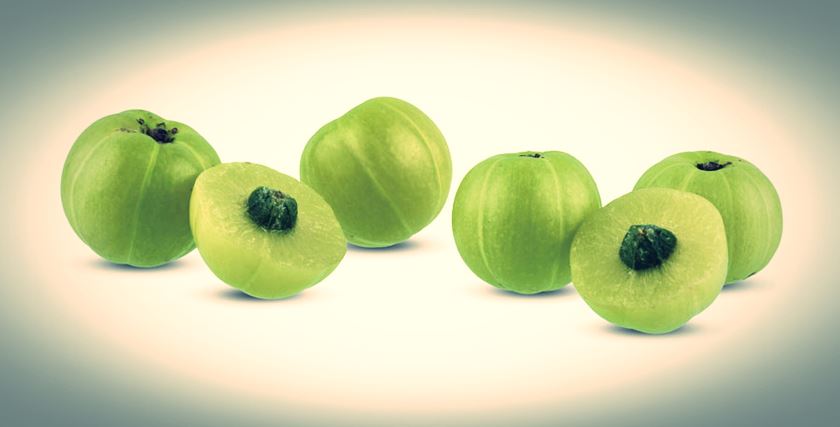
2. Indian Gooseberry or Amla Fruit (Phyllanthus emblica)

A powerful oral antioxidant that also enhances the antioxidant action of vitamin C and E. In a group of patients with vitiligo treated with phototherapy, those who were super-supplemented with Amla and vitamins C, E and carotenes repigmented more and faster (4 ). Therefore, it is another of the foods that you can eat to improve your vitiligo.

3. Gingko Biloba

A classic. Its benefits as an antioxidant have been proven in various studies and it is one of the most studied medicinal herbs. In doses of 240 mg per day it is beneficial without producing side effects. In a 12-week clinical trial, Gingko biloba 60 mg daily in patients with vitiligo decreased the affected area (Vitiligo Area Score Index, VASI and European Vitiligo Task Force, VETF) (5).

4. Polypodium leucotomos

It is an extract from the fern grown in South America and is taken orally in doses of 250-720 mg per day. In Spain it is sold in pharmacies, patented under the name Fernblock. It has no side effects except for slight gastric discomfort. It has been shown in two clinical trials to increase repigmentation opportunities and repigmentation area by approximately 50% in vitiligo patients treated with phototherapy (6). As a dermatologist who is an expert in the treatment of vitiligo with phototherapy, I use it on all my patients.

5. Kelina (Ammi visnaga or biznaga extract)

It is an extract from an herb that grows wild in the Mediterranean. At a dose of 100 mg per day, it has been shown in two clinical trials combined with UVA, to increase the chances of repigmentation by approximately 50% on average. It can cause nausea and elevated transaminases (7). Additionally, 3% can be used as a topical cream combined with sun or UVA exposure, in a phototherapy modality called KUVA. As a vitiligo dermatologist, I use it on my vitiligo patients in the summer to avoid trips to the clinic for phototherapy.

6. turmeric or turmeric

Another classic to highlight among the foods you can eat to improve your vitiligo. It is capable of reducing the production of ROS in in vitro studies in the skin of patients with vitiligo. Its topical application combined with phototherapy appears to slightly increase the repigmentation rate of vitiligo spots.

Finally

In summary, functional nutrition along with an appropriate diet in vitiligo combined with medical treatments can be another option in the management of patients. Amla Fruit, Gingo Biloba, Kelina and Polypodium have been studied in patients with vitiligo improving the solution to phototherapy, and the latter is the most used in our country.

References

1. Mansuri MS, Jadeja S, Singh M, et al. Catalase gene promoter and untranslated region variants lead to altered gene expression and enzymatic activity in vitiligo. Br J Dermatol 2017; 177: 1590-1600.

2. Marie J, Kovacs D, Pain C. Inflammasome activation and progression of vitiligo/nonsegmental vitiligo. Br J Dermatol 2014; 170: 816-823.

3. Ning W, Wang S, Liu D et al. (2016). Potent effects of peracetylated-epigallocatechin-3-gallate against hydrogen peroxide-induced damage in human epidermal melanocytes through attenuation of oxidative stress and apoptosis. Experimental Clinical Dermatology2016; 41: 616–624.

4. Colucci R, Dragoni, F, Conti R, et al. Evaluation of an oral supplement containing Phyllanthus emblica fruit extracts, vitamin E and carotenoids in the treatment of vitiligo. Dermatological therapy 2015; 28:17-21.

5. Szczurko O, Shear N, Taddio A. et al. Ginkgo biloba for the treatment of vitiligo vulgaris: an open-label pilot clinical trial. BMC Complementary and Alternative Medicine 2011; eleven; twenty-one.

6. Middelkamp-Hup, MA, Bos, JD, Rius-Diaz, F., González, S. and Westerhof, W. (2007). Treatment of vitiligo vulgaris with narrow-band UVB and oral extract of Polypodium leucotomos: a randomized, double-blind, placebo-controlled study. Journal of the European Academy of Dermatology and Venereology, 21 (7), 942–950.

7. Hofer, A, Kerl H, Wolf P. Long-term results in the treatment of vitiligo with oral khellin plus UVA. European Journal of Dermatology 2001; eleven; 225-229.

8. Asawanonda, P, Klahan S. Tetrahydrocurcuminoid cream plus targeted narrow-band UVB phototherapy for vitiligo: a preliminary randomized controlled study. Photomedicine and Laser Surgery 2010; 28; 679-684.

Nutrition and diet tips to improve psoriasis

diet-improve-psoriasis-8933142-4095571-jpg-7596026

Psoriasis is a very common dermatosis that affects the 2% of the general population with variable severity. Psoriasis is of multifactorial origin, in other words, caused by various factors that act on a genetic predisposition and cause skin inflammation.

Among the risk factors described there is accumulating evidence that nutrition plays a role. This post summarizes the scientific studies made public about nutritional and dietary strategies to improve psoriasis, the benefits of some dietary supplements and probiotics.

What is psoriasis and how is it treated?

The psoriasis It is a very common dermatosis which affects up to 2% of the population worldwide. Its treatment depends on the severity and includes topical treatments in the form of creams, systemic pills and phototherapy.

However, on repeated occasions the patient asks us what to eat, if there is any guideline in his diet to improve the psoriasis he suffers from.

On other occasions, the patient demands a more comprehensive approach, towards modern medicine, in which we treat their psoriasis in a more global way. The link between psoriasis and nutrition is widely studied in scientific literature; we can summarize it in three fundamental points: diet as a strategy, the use of nutritional supplements and probiotics.

Nutrition and diet strategies to improve psoriasis: What should I eat?

Little, undoubtedly. The obesity is a risk factor very important in psoriasis, and it is bidirectional, in other words, obesity worsens psoriasis and psoriasis promotes obesity (1). Obese patients have twice the risk of having psoriasis than those who are not obese.

Several lines of research suggest that adipocytes and their inflammatory molecules, adipokines, play a role in skin inflammation and in the hypothalamus, the main hunger regulatory center. Obesity releases a multitude of mediators into the blood that produce a situation inflammatory in the body. Leptin, a major intake-regulating hormone, is elevated in patients with psoriasis compared to healthy controls (2).

Obesity also has many implications for psoriasis treatments, as follows:

  • When the patient loses weight, the response to treatments is better or they even stop needing them.
  • Obesity increases the risk of side effects from systemic treatments (pills or injections).

The hypocaloric diet (800-1200 Kcal/day) combined with aerobic exercise at least 3 times a week for 30 minutes has been shown to improve psoriasis in a few weeks in many studies (3,4).

Components of the diet to improve psoriasis (3,5):

Diet rich in fish oils (omega-3 polyunsaturated fatty acids, PUFA), present in oily fish. They are the ones with the most evidence, due to their ability to reduce arachidonic acid and promote an anti-inflammatory environment.

Diet rich in monounsaturated fatty acids (MUFA) present in extra virgin olive oil, rich in oleic acid. Low MUFA intake worsens psoriasis and may cause it to progress. This study is in line with several others published about MUFAs and their anti-inflammatory capacity.

Regarding the type of global diet, Mediterranean diet takes the cake (3,4,5). We have plenty of scientific evidence that eating patterns rich in fruits, vegetables and fish are associated with a reduction in global markers of inflammation. In this situation it seems logical as it has been shown in numerous studies that the Mediterranean Diet improves psoriasis.

exist others publications that address different diet options to improve psoriasis, but with more limited scientific evidence, so their recommendation is not clear today (3):

  • Gluten-free diet: it has been clearly shown to be beneficial in patients with celiac disease, also latent, and psoriasis (5).
  • Vegetarian diet.
  • Low carbohydrate diet.

Beneficial food supplements to treat psoriasis

Vitamin D. has been shown to have an anti-inflammatory role through the regulation of regulatory T lymphocytes. It should undoubtedly be supplemented in cases of deficiency since its deficiency can worsen psoriasis (3,4). However, its supplementation in patients with normal levels of vitamin D has not shown clear benefit (5,6). As a dermatologist who is an expert in psoriasis and phototherapy in Madrid, I do use it as a supplement in the patients I treat for psoriasis with phototherapy, due to its ability to protect the skin from the sun.

Fish oil and omega 3 supplements. They have been shown in numerous clinical trials to be beneficial in patients with psoriasis and other dermatoses (6). They must be maintained for long periods of up to 6 months to achieve effective benefit in psoriasis.

Supplements antioxidants In general, with vitamins (Vitamins A, E, C, folic acid, group B vitamins), trace elements such as Copper, Zinc, Iron, Magnesium and Selenium, coenzyme Q10 for its antioxidant capacity. They have demonstrated their positive effects in important studies (7,9).

  • Zinc Supplements: Zinc is a trace element that is capable of regulating the immune response. The evidence of supplementing zinc in psoriasis is controversial, thus we find studies in which they have shown improvement and others have not (7,8).
  • Selenium supplements: This is a trace element with antiproliferative capacity. Low selenium levels can worsen psoriasis (9).

Complementary medicinal plants or as an option to improve psoriasis

Medicinal plants are increasingly used and we have various studies and clinical trials published in quality scientific literature in which they demonstrate effectiveness in psoriasis. Such is the case of Dunaniella. bardawil, TwHF( Tripterigium wilfordii), Azadirachta indica (Neem tree) or Turmeric. Longa. However, at the current time we do not have guides for its use.

Polypodium Leucotomos

It is an extract of a fern (patented under the name of Fernblock) which has been shown to reduce the response of CD4 lymphocytes when taken orally. Studies of this compound were carried out in Spain years ago and demonstrated a mild to moderate benefit in half of the treated patients (10).

It is available sold in pharmacies and until a few years ago it was financed by the National Health System. We can say that it is the only plant available in Western medicine for the treatment of psoriasis.

This compound is also of special interest as an antioxidant and oral sunscreen.

Probiotics, prebiotics and synbiotics that help against psoriasis

Probiotics, prebiotics and synbiotics are other components to consider along with herbal remedies and dietary advice to improve psoriasis.

As a brief introduction, I will first break down what each of them is:

  • Probiotic: a microorganism that, taken, produces health benefits.
  • Prebiotic: a substance that is ingested promotes the growth of some bacteria in the colon that are beneficial for health
  • Symbiotic: It is the mixture of the previous two

Bifidobacterium infantis

To date we only have one study of a probiotic in psoriasis: it is Bifidobacterium infantis 356624 (yes, probiotics have a serial number along with the name of the bacteria).

This bacteria was ingested for 8 weeks by psoriasis patients who were compared to psoriasis patients who did not take it. It was shown that it is capable of reducing the classic markers of inflammation in psoriasis such as TNF-alpha and the interleukin 6 or C-reactive protein; However, it did not translate into a clear benefit for skin lesions, so, even though it seems promising, B. infantis more studies are needed.

Conclusion

Psoriasis benefits from antioxidant rich diet (fruits, vegetables), fish, especially blue, and olive oil in a controlled calorie intake. Approximately, Mediterranean diet.

Furthermore we can add blue fish and antioxidant supplements diet to improve psoriasis. Supplementing with vitamin D or selenium makes sense in patients with a deficiency, since this situation can worsen psoriasis.

There is evidence of improvement in psoriasis with some oral plants (herbal medicine), but we currently have no guidelines for its use. The extract of Polypodium leucotomos It is safe orally and can improve in about half of patients. And at probiotics they have abandoned.

Bibliography

1. Carrascosa JM, Rocamora V, Fernandez-Torres RM et al. Obesity and psoriasis: inflammatory nature of obesity, link between psoriasis and obesity and therapeutic implications. Actas Dermosifiliofr 2014; 105: 31-44.

2. Zhu KJ, Zhang C, Li M. Leptin levels in patients with psoriasis: a meta-analysis. Clin Exp Dermatol 2014; 222: 113-127.

3. Barrea L, Nappi F, Di Somma C, et al. Environmental risk factors in psoriasis: the nutritionist's point of view. Int J Environ Res Public Health 2016; 13: 743-755.

4. Zuccotti E, Oliveri M, Girometa C, et al. Nutritional strategies for psoriasis: current scientific evidence in clinical trials. Eur Rev Med Pharmacol Sci 2018; 22: 8537-8551.

5. Ford A, Siegal M, Bagel J. A dietary recommendations for adults with psoriasis or psoriatic arthritis from the medical board of the national psoriasis foundation. JAMA Dermatol 2018; 154: 934-950.

6. Millsop JW, Bathia BK, Debbaneh M, et al. Diet and psoriasis, part III: role of nutritional supplements. J Am Acad Dermatol 2014; 71: 561-569.

7. Smith N, Weyman A, Tausk et al. Complementary and alternative medicine for psoriasis: a qualitative review of the clinical trial literature. J Am Acad Dermatol 2009; 61: 841-856.

8. Wacemicz M, Socha K, Soroczyska J, et al. Selenium, zinc, copeer concentration, Cu/Zn binding, total antioxidant status and serum c-reactive protein of psoriasis patients treated with narrowband ultraviolet B phototherapy: a case-control study. J Trace Elem Med Biol 2017; 44: 109-114.

9. Kharaeva Z, Giostova E, De Luca et al. Clinical and biochemical effects of supplementation with coenzyme Q10, vitamin E and selenium in patients with psoriasis. Nutrition 2009; 25: 295-302.

10. Padilla HC, Laínez H, Pacheco JA. A new agent (hydrophilic fraction of polypodium leucotomos) for the treatment of psoriasis. Int J Dermatol 1974; 13: 276-282.

11. Groeger D, O'Mahoni L, Murphy EF, et al. Bifidobacterium infantis 35624 modulates host inflammatory processes beyond the intestine. Gut Microbes 2013; 4: 325-339.

Gatos, alergias y enfermedades dermatológicas en humanos

gatos-enfermedades-piel-humanos-5752102-4788309-jpg-9166697

Conozca la vinculación que verdaderamente existe entre gatos, alergia y enfermedades dermatológicas en humanos a partir de la revisión de literatura científica de calidad.

Venerado por los egipcios, perseguido en la Edad Media, asociado a las brujas, la feminidad, la mujer, la libertad, la elegancia, la noche, los madrileños. Inspiradores de cuentos, fábulas, escritores, poetas y cineastas. El más exitoso con diferencia en las redes sociales. los gatos disponen algo.

¿Y para dermatología? ¿Qué sabemos los dermatólogos y la literatura científica sobre la vinculación entre los gatos y la piel? En esta publicación, desmitifico las ideas preconcebidas revisando literatura científica de calidad.

Dios creó al gato para ofrecer al hombre el placer de acariciar a un tigre

Victor Hugo

Gatos y humanos: una vinculación cada vez más intensa

El pequeño felino es hoy en día la mascota más popular En Europa, según datos de 2017, hay más de 100 millones de gatos en los hogares europeos, en comparación con 84 millones de perros.

Los gatos además ganan en Internet. Se cita en un Post de Nueva York Veces, que una imagen de un gato produce cuatro veces más tráfico en las redes sociales que la de un perro. Varios gatos comparten el podio de “influencers” con otros animales en las redes sociales.

Como parece que nos gustan los gatos, en este artículo resumo el enfermedades de la piel más frecuentess quien puede enfrentar el dueños de gatos con la finalidad de favorecer la convivencia con nuestro querido minino.

En este momento el gato es la mascota más popular

Vinculación entre gatos, alergia y enfermedades dermatológicas en humanos

1 tiña

Los gatos son un reservorio de la tiña, en realidad, son los animales con más tiña. Las tiñas son causadas por mushrooms dermatofitos que infectan la piel queratinizada (que no es mucosa), cabello y uñas.

Los dermatofitos que habitan en animales se denominan zoólicos, siendo el más común Mycosporum canis que habita en perros y gatos (1). El 90% de las tiñas en los gatos son causadas por este hongo (2).

the symptom de una tiña en un gato son semejantes a las del hombre, con la aparición de parches circulares en la piel con descamación y alopecia.

Los gatos además pueden ser portadores crónicos de Mycosporum canis, fundamentalmente los de pelo largo y los menores de un año (1,2). Estos gatos sin síntomas de tiña pueden ser transmisores.

The diagnóstico se realizan en base a los signos clínicos del animal y el cultivo de las escamas, a pesar de todo, no siempre es positivo pese a presentarse y no se detecta hasta en un 28% de los gatos infectados (3).

Lo mismo ocurre con la tiña en el ser humano, el hongo es exigente y en los cultivos no siempre se cultiva. Como opción al cultivo, se puede realizar un examen microscópico directo de las escamas para visualizar el hongo y evaluar la piel infectada con una luz de Wood (una luz negra) bajo la cual el dermatofito emite fluorescencia (3). Precisamente igual que en los humanos.

the treatment Se realiza con baños o geles antifúngicos, de eficacia limitada en gatos debido a la menor penetración en el pelo (2), por lo que cuando afecta al pelo es recomendable añadir además tratamiento oral al animal. Ambos tratamientos se mantienen durante unas 10 semanas.

En los humanos suelen requerir un tratamiento semejante, y se debe agregar un tratamiento oral siempre y cuando el cabello se vea afectado.

La infección es adquirida de forma general por contacto directo con el gato y más raramente por contacto con las escamas infectadas.

La mejor estrategia de prevención es evitar el contacto con el gato infectado, a pesar de todo, a veces el gato no muestra signos y el diagnóstico se realiza mediante una persona infectada. Después debemos llevar a nuestro gato a un veterinario (1).

Las esporas de Mycosporum canis son muy resistentes en el medio ambiente, por lo que descontaminación domiciliaria (dos).

Debe aspirarse y limpiarse mecánicamente hasta que no se vea ningún pelo. Es fundamentalmente importante desinfectar el lugar donde duerme, yace o vive el gato, así como los cojines o mantas que usa. Esta desinfección es fundamental en las trampillas para gatos.

Muchos desinfectantes están etiquetados como “antifúngicos” y son capaces de matar las esporas de los hongos dermatofitos, los más efectivos son los azoles, y no olvidemos la lejía doméstica, que diluida 1:10 en agua es un gran desinfectante (dos).

Deben aplicarse en todas las superficies, a la hora de lavar la ropa en la lavadora y además se pueden rociar. Existen en todas las variantes para estos usos en el mercado.

2 Alergia

Tema controvertido. Se sabe desde hace mucho tiempo que la exposición a los ácaros del polvo doméstico predispone al desarrollo posterior de alergia a otros alérgenos domésticos. De esta manera, los estudios encuentran que los niños “de interior” en las ciudades son más susceptibles a ser alérgicos.

Por el contrario, esta asociación no se ha encontrado en niños expuestos a animales de granja (4). Aún cuando la lógica parece indicar que el riesgo de sensibilización a alérgenos de perros o gatos aumentaría con la exposición a ellos, los estudios han demostrado todo lo contrario (4,5).

En un estudio consistente, Custovic et al (5), muestran que la prevalencia de sensibilización o La alergia a los gatos disminuye con la exposición. y que tener un gato se asocia con menos oportunidades de ser alérgico al animal.

Esta protección no se ha encontrado en dueños de perros adultos. La alergia a los gatos se evalúa midiendo los niveles de inmunoglobulinas específicas en la sangre contra el gato e introduciendo los antígenos pinchados en el brazo (“prueba de púa”).

Los pacientes con alergia a los gatos generalmente son polialérgicos y sensibles a otros alérgenos, como pólenes, perros o ácaros.

No se han encontrado diferencias en la gravedad de la alergia o el asma, tenga o no un gato (4), dicho de otra forma, tener un gato no aumenta la gravedad de los síntomas.

Parece que la exposición crónica a un gato si es alérgico a los gatos puede tener un “efecto protector” en niños y adultos al modular la solución inmunitaria (4).

Si deben ser fundamentalmente cuidadoso the pacientes alérgicos a los gatos que no disponen gato, puesto que la exposición ocasional a alérgenos de gatos puede provocar reacciones alérgicas y respiratorias con exacerbación del asma.

3 Dermatitis atópica

Los médicos a veces aconsejan a las familias con dermatitis atópica, ya sean niños o adultos, que se deshagan de sus mascotas peludas.

No hay evidencia científica que respalde esta recomendación. En los análisis científicos de máxima calidad en los que se revisan todos los trabajos publicados, no se demuestra que tener un animal en casa, inclusive desde el nacimiento, cause algún daño, ni siquiera si tiene dermatitis atópica.

Al mismo tiempo, las mascotas parecen tener efecto protector. Peluchi et al (8), en un estudio ni más ni menos que en 71.721 pacientes, encontraron que tener un perro reduce el riesgo de tener dermatitis atópica en un 30% y tener un gato no lo aumenta.

Entonces médicos y usuarios, los trabajos de mejor calidad en las mejores revistas son claros, como dicen los propios autores: “No hay razón para patear al gato”.

Gatos y enfermedades de la piel en humanos: conclusiones

Finalmente podemos decir que tener un gato no empeora the atopic dermatitis, ni el allergyInclusive podría tener un efecto protector que además podemos extender a tus amigos perros. Al contrario, son buenos transmisores de tiña.

References

1 Monod M, Fratti M, Mignon B, Baudraz-Rosselet. Dermatofitos transmitidos por animales domésticos. Rev Med Suisse 2014; 10: 749-5.

2 Frymus T, Gruffydd-Jones T, Pennisi MG, et al. Dermatofitosis en gatos: directrices ABCD sobre prevención y tratamiento. Revista de Feline Med Surg 2013; 15: 598.

3 Cafarchia C, Romito D, Sasanelli M, et al. La epidemiología de las dermatofitosis canina y felina en su otra Italia. mycoses 2004; 47: 508-513.

4 Liccardi G, Martín S, Lombardero M, et al. Respuestas cutáneas y serológicas a alérgenos de gatos en adultos expuestos o no a gatos. Neumología 2005; 99: 535-534.

5 Custovic A, Simpson BM, Simpson A, et al. Reducción de la prevalencia de sensibilización en gatos con alta exposición a alérgenos de gatos. J Allergy Clin Immunol 2001; 108: 537-9.

6 Williams HC, DJ de Grindlay. ¿Qué hay de nuevo en el eccema atópico? Un análisis de revisiones sistemáticas publicadas en 2007 y 2008. Parte 2. Prevención y tratamiento de enfermedades. Clin Exp Dermatol 2009; 35: 223-227.

7 Langan SM, Flohr C, Williams HC. El papel de las mascotas peludas en el eccema: una revisión sistemática. Arch Dermatol 2007; 143: 1570-7.

8 Peluchi C, Galeone C, Bach JF y col. Exposición de mascotas y riesgo de dermatitis atópica en la edad pediátrica: un metanálisis de estudios de cohortes de nacimiento. J Allergy Clin Immunol 2013; 132: 616-22.

10 benefits of melatonin on the skin

beneficios-melatonina-piel-2621932-7098942-jpg-6976931

Learn 10 of the main benefits of melatonin on the skin and its use in dermatology.

Melatonin is a hormone produced by the pineal gland whose secretion is influenced by the sleep-wake or light-dark cycle. Its main function in the body is to regulate sleep cycles.

The production of melatonin by the human body decreases with age. It is known that its supplementation has anti-aging effect, improving the quality of the skin and protecting it from ultraviolet radiation and other environmental damage such as tobacco.

What is melatonin?

Melatonin is a hormone produced by the pineal gland whose secretion follows a circadian rhythm, influenced by the cycles of light and darkness. It has a wide variety of properties at the cellular level including a high antioxidant power.

Like the entire body, the skin undergoes the oxidation and aging process, caused by internal and external factors, such as ultraviolet light or the production of free radicals. Melatonin levels increase at night and in mammals it has been shown to modulate immune response, body weight, anti-jet-lag effects, reduce the toxic effects of chemotherapy and be an anti-cancer agent.

The benefits of melatonin on the skin are varied. It has anti-aging effects and is a powerful antioxidant, useful as adjuvant in various dermatoses.

Melatonin in dermatology can be used as an oral supplement at bedtime or safely formulated into creams for topical use.

10 benefits of melatonin on the skin and main uses in dermatology

  1. Anti-aging and anti-wrinkle.: Melatonin is a sunscreen and has an anti-wrinkle effect. Its main action focuses on the keratinocytes and fibroblasts of the skin, protecting them from damage from ultraviolet radiation. It has also been shown to reduce the production of free radicals in the skin (1,2).
  2. Sun tanning: its intake before sun exposure reduces the risk of sunburn and its application in a 0.5% cream is the most powerful concentrate capable of removing the erythema or redness caused by a sunburn (ultraviolet light) (3).
  3. Atopic dermatitis: Preliminary studies have shown the beneficial effects of melatonin in patients with atopic dermatitis, both in cream and supplemented form (4). Despite everything, it should not be routinely recommended in cases where the patient also has asthma, since it can increase bronchial reactivity (5).
  4. Skin damage from radiotherapy (Radiodermatitis): Melatonin has been shown to have a radioprotective effect, reducing skin damage caused by radiotherapy and increasing its therapeutic effect. Treatment must be prolonged (6).
  5. Spots on the skin (melasma, solar lentigines): melatonin is a promising and safe treatment to reduce skin imperfections. Its mechanism of action is based on the inhibition of the action of tyrosine oxidase on the skin, responsible for the appearance of spots or pigmentation (7).
  6. Androgenic alopecia: It can be used topically or orally as a complementary treatment for androgenic alopecia and other forms of alopecia due to its powerful antioxidant action (8).
  7. Squamous cell carcinomaRecent in vitro studies have found that melatonin induces squamous cell carcinoma cell death (9). Its use in this indication is not widespread, but it is in the context of being a powerful sunscreen that predisposes to the development of skin cancer, this being one of the main benefits of melatonin on the skin.
  8. smoker's skin (skin and tobacco) and postmenopausal women: supplemented melatonin has anti-aging action in this group of patients, reducing wrinkles and imperfections and increasing skin elasticity. It is capable of reversing the changes of tobacco on the skin (10).
  9. Vitiligo: in vitiligo we find a sensitivity of melanocytes to oxidative stress that leads to their destruction. Melatonin has a powerful antioxidant action on the skin and a protective role for the melanocyte, which is why it can be associated with other treatments (11).
  10. Melanoma: Melatonin has action against cancer, so it can be beneficial as an adjuvant treatment in breast, liver, prostate or melanoma cancer.

Bibliography

1. Kleszczynski K, Fisher T. Melatonin and human skin aging. Dermatoendocrinol 2012; 4: 245-252.

2. D-Day, Burgees CM, Kircik LH. Evaluation of the potential role of topical melatonin in an anti-aging skin regimen. J Drugs Dermatol 2018; 17: 966-969.

3. Banha E, Elsner P, Kistler GS. Suppression of UV-induced erythema through topical treatment with melatonin (N-acetyl-5-methoxytryptamine). A dose response study. Arch Dermatol Res 1996; 288: 522–6.

4. Shi K, Lio PA. Alternative treatments for atopic dermatitis. Am J Dermatol 2018; E-publishing ahead of print.

5. Marseglia L, D'Angelo G, Manti T, et al. Melatonin and atopy: role in atopic dermatitis and asthma. Int J Mol Sci 2014: 15: 13482-13493.

6. Shabeed D, Najafi M, Musa AE, et al. Biochemical and histopathological evaluation of the radioprotective effects of melatonin against skin damage induced by gamma rays. Curr Radiopharm 2018; E-publishing ahead of print.

7. Juhasz MLV, Levin MK. The role of systemic treatments for skin lightening. J Cosmet Dermatol 2018; 17: 1144-1157.

8. Hatem S, Nasr M, Moftah NH, et al. Vitamin C-based melatonin nanovehicles for the treatment of androgenic alopecia. Eur J Pharm Sci 1028; 122: 246-253.

9. Kocyigit A, Guler EM, Karatas E, et al. Dose-dependent proliferative and cytotoxic effects of melatonin on human squamous cell carcinoma and normal skin fibroblast cells. Mutat Res 2018; epub before printing.

10. Sagan D, Stepniak J, Gesing A, et al. Melatonin reverses increased oxidative damage to membrane lipids and improves the biophysical characteristics of the skin in former smokers. Ann Agric Enviton Med 2017; 24: 659-666.

11. Patel S, Rauf A, Khan H et al. A holistic review on the autoimmune disease vitiligo with emphasis on causal factors. Biomed Pharmacother 2017; E-publishing ahead of print.

12. Srinivasan V, Pandi-Perumal SR, Brzezinski A, et al. Recent immune drug discovery by Pat Endocr Metab 2011; 5: 109-123.

Beneficios del yoga en la piel y rejuvenecimiento

beneficios-del-yoga-en-la-piel-6974172-4705463-jpg-4493782

El yoga es una práctica milenaria con beneficios para el cuerpo y la mente. La práctica del yoga ha demostrado beneficios para la salud en trabajos científicos de calidad. continua leyendo esta publicación para conocer específicamente los beneficios del yoga en la piel.

La práctica de la paciencia, perseverancia, autorrealización y ahimsa (no violencia hacia uno mismo) mediante asanas (posturas), pranayamas (respiración) y meditación, parece que podemos rejuvenecer.

La palabra yoga tiene dos significados, unión, con uno mismo y con el cosmos. Se puede establecer como las técnicas de mejora del ser humano a nivel físico, mental y espiritual.

Origen del yoga y beneficios para la salud

La antigua cultura del yoga debe su evolución a los antiguos sabios que desarrollaron sus enseñanzas y las transmitieron a sus discípulos a través del contacto directo con el maestro.

Su origen se remonta a la antigua civilización del Indo en el tercer y segundo milenio antes de Cristo. Sus enseñanzas fueron transcritas a los textos clásicos de los “Vedas” en los que el yoga se menciona por primera vez y adquiere una base establecida.

El yoga se ha extendido y es una práctica universal dentro de la cual hay diferentes caminos, inalcanzables en este artículo, pero de manera muy breve podemos hablar de Hatha yoga (yoga físico y sus variantes) y Raja yoga (yoga mental) (1).

Para algunos autores, el yoga es un estado de ánimo, una forma de calmar la mente y alcanzar la paz interior, que se cumple mediante posturas, “asanas” y técnicas de respiración, “pranayama” (2).

At literatura científica de calidad encontramos más de 4000 trabajos dedicados al estudio del yoga y su efecto a nivel psicológico y físico. Podemos ver que la mayoría de ellos se centran en trastornos neurológicos, artritis, manejo del dolor, emociones o cualidades cognitivas. Pero en nuestro caso nos vamos a centrar específicamente en los estudios que abordan los beneficios del yoga en la piel.

Beneficios del yoga en la piel

Anti arrugas

La vida yogui es antiarrugas: y hay evidencia molecular que lo prueba. La piel expresa nuestra apariencia y nuestra edad y tiene sentido que lo haga en paralelo a los órganos internos (3). La práctica regular de asanas y pranayamas reduce la actividad de la enzima superóxido dismutasa (SOD), una de las principales implicadas en el envejecimiento, y lo hace regulando la expresión de genes (4).

Al mismo tiempo, aumenta la expresión de moléculas reparadoras reconocidas (COX-2 y bcl-2) y antiinflamatorias (IL6, TNF), y lo hace mejor que el ejercicio extenuante (5).

Otras vías involucradas en el envejecimiento además disminuyen su actividad (AGE, productos finales de glicación avanzada), aumentan el flujo sanguíneo y mejoran el metabolismo general de la piel y los tejidos (3).

Probablemente la práctica de una actitud yogui con su mejora en la calidad de vida ayude a estar menos oxidado y a ser más joven.

Expresión facial

El yoga regula la expresión facial: los practicantes de yoga habituales expresan menos emociones negativas en sus rostros en situaciones negativas. El yoga reduce la “excitación”, que es la respuesta del cuerpo a las emociones negativas o al estrés y consiste en la aparición de sudor, taquicardia, respiración acelerada.

Los pacientes estudiados, al mismo tiempo de tener menos expresiones corporales de excitación a las emociones negativas, además reportaron menos experiencia emocional negativa a los estímulos negativos (6).

Acné excoriado y tricotilomanía

Otro beneficio del yoga en la piel se puede hallar en el tratamiento del acné excoriado y la tricotilomanía.

El acné excoriado es la manipulación de las lesiones del acné, común en mujeres adolescentes, que produce cicatrices e inclusive infecciones locales.

La tricotilomanía es otro hábito que se encuentra en los niños pequeños, que arrancan mechones de cabello en momentos de estrés.

Ambos se deben a conductas repetitivas centradas en el cuerpo y bajo las cuales encontramos procesos de ansiedad o adaptación. Se ha demostrado que la práctica del yoga agrega beneficios a los tratamientos farmacológicos y psicológicos para estas afecciones (7).

El yoga facial es antiarrugas

En un estudio reciente difundido en una revista de dermatología de calidad, un grupo de pacientes que realizó yoga facial durante 20 semanas encontró una reducción moderada de las arrugas en el tercio medio y el tercio inferior. El programa consiste en practicar los ejercicios durante 30 minutos todos los días de la semana a 2 o 3 veces por semana. Su método de acción puede deberse al entrenamiento de los músculos faciales (3).

Conclusiones sobre los beneficios del yoga en la piel.

En mi opinión, el yoga no sustituye a otros métodos como una buena crema antiarrugas con ácido retinoico u otras técnicas (toxina botulínica, rellenos, peelings, etc.), y todavía faltan más estudios de calidad, aún cuando puede ayudar (fundamentalmente si produce bienestar físico y mental).

Bibliography

1. Danilo Fernández. Claves del yoga: teoría y práctica. XIX Edición 2017. La Liebre de Marzo, SL.

2. Cristina Brown. La biblia del yoga. 1ª Edición 2015. Gaia Ediciones SL

3. Beri K. Respirar para una piel más joven: “revertir el mecanismo molecular del envejecimiento de la piel con el yoga”. Future Sci OA 2016; 2: 122.

4. Saatcioglu F. Regulación de la expresión génica por el yoga, la meditación y prácticas asociadas: una revisión de estudios recientes. Asian J Psychiatr 2013; 6: 74-77.

5. Vijayaraghava A, Doreswamy V, Narasipur OS, et al. Efecto de la práctica del yoga sobre los niveles de marcadores inflamatorios luego de ejercicio moderado y estenoso. J Clin Diagn Res 2015; 9: 08-12.

6. Mocanu E, Mohr C, Pouyan N y col. Razones, años y frecuencia de la práctica del yoga: efecto sobre la reactividad de la respuesta a la emción. Fornt Hum Neurosci 2018; 12: 264.

7. Torales J, Barrios I, Villalba J. Terapias formas de el trastorno de excoriación (pellizcarse la piel): una breve actualización. Adv Mind Body Med 2017; 31: 10-13.

8. Alam M, Walter AJ, Geisler A, et al. Asociación del ejercicio facial con la aparición de envejecimiento. JAMA Dermatology 2018; 154: 365-367.